
Your Own Odyssey: Trauma, Homecoming, and the Path Back to Wholeness

Not too long ago I sat in a darkened theatre and watched Christopher Nolan’s new film adaptation of Homer’s Odyssey. The spectacle is undeniable—practical effects, sweeping scale, and a star-studded cast that make the monsters feel immediate and the ocean feel endless. I left the cinema thinking not only about the film, but about the far older poem it draws from, and about the many clients who sit across from us each week carrying their own long, stormy journeys home.
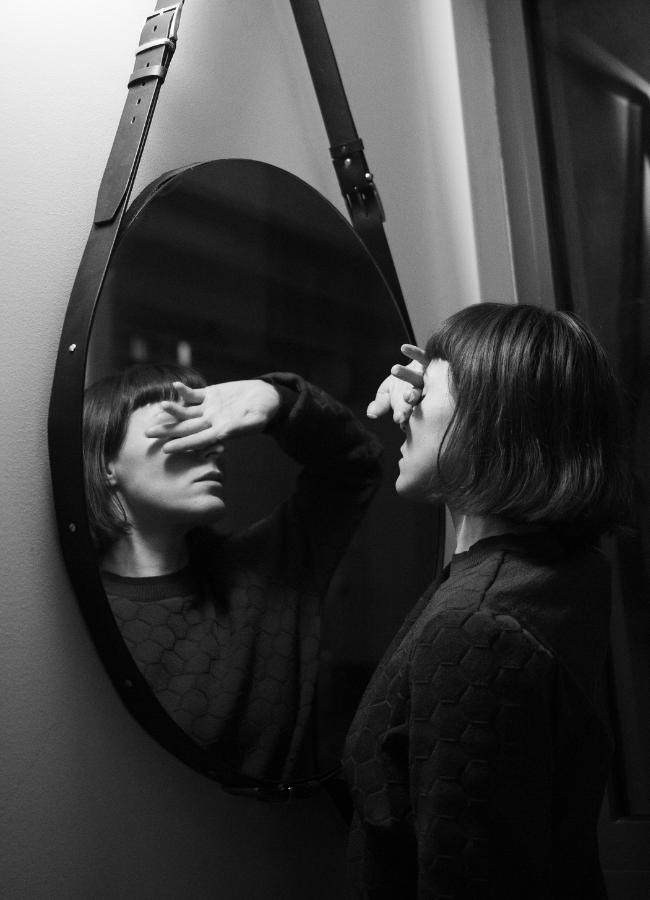
We all have an Odyssey of sorts. Some of us are still at sea after a betrayal, a loss, a moral injury that will not let us rest. Others have washed ashore on an island of numbness—work, screens, substances, or simple exhaustion that dulls the ache of wanting to return to a life that once felt ordered and whole. A few of us are already back in the house, yet still disguised, still testing whether the people we love will recognise us after everything we have endured.
Homer’s poem, for all its gods and monsters, is ultimately a story of nostos—homecoming. It is the restoration of the household, the reclaiming of rightful order, the hard-won return of a man who has suffered, erred, endured, and finally stands again among those who know him. The true moral is not endless wandering for its own sake, nor a celebration of cleverness detached from purpose. It is the recovery of place, fidelity, and peace under a higher law that still holds.
Nolan’s film, while ambitious and often beautiful, takes a different path in a few decisive places. It leans heavily into the idea that the Greeks themselves were the primary agents of a civilisational rupture, casts the Trojan Horse as a kind of original violation of sacred trust, and ends not with the full restoration of the household under divine favour but with a form of penitential exile. The gods become, at times, more psychological than objective. These choices speak powerfully to contemporary feelings of collective guilt and the lingering weight of moral injury. They are less faithful to Homer’s restorative arc. That difference matters for how we think about healing.
In the consulting room we see both versions of the story play out. Some clients remain trapped in a cycle of self-accusation that never reaches resolution—always sailing away from the very home they long for. Others, with courage and support, do the slower, harder work of returning: facing the monsters (anxiety, depression, trauma responses, the parts of themselves that feel unrecognisable), refusing the lotus of permanent numbness, and allowing the household of the self—mind, body, and soul—to be put back in order.
Healing is rarely linear. Like Odysseus, we are often blown off course by forces larger than ourselves and by our own imperfect choices. The poem reminds us that endurance, cunning rightly ordered, loyalty, and the refusal to forget what truly matters are not optional extras. They are the virtues that make homecoming possible. Therapy, at its best, functions a little like the guidance Athena offers or the practical help Hermes brings: a companion who helps you see clearly, name the real threats, and keep moving toward restoration rather than perpetual exile.
 If you find yourself still at sea—haunted by what you have survived, unsure whether the people who love you will still recognise you, or simply exhausted by the long voyage—know that you are not alone. The roots of our struggles often run deep, but they can be examined, tended, and, with care, transformed. At Cornerstone we treat the whole person: mind, body, and soul. We believe you were made for more than endless wandering. You were made for homecoming.
You do not have to navigate the storms by yourself.
To set up an appointment or a free consultation, reach out to our intake coordinator. We are here, and we are ready to walk with you toward the restoration that is still possible.