One Small Step: What the Moon Landing Still Teaches Us About Overcoming Adversity Today
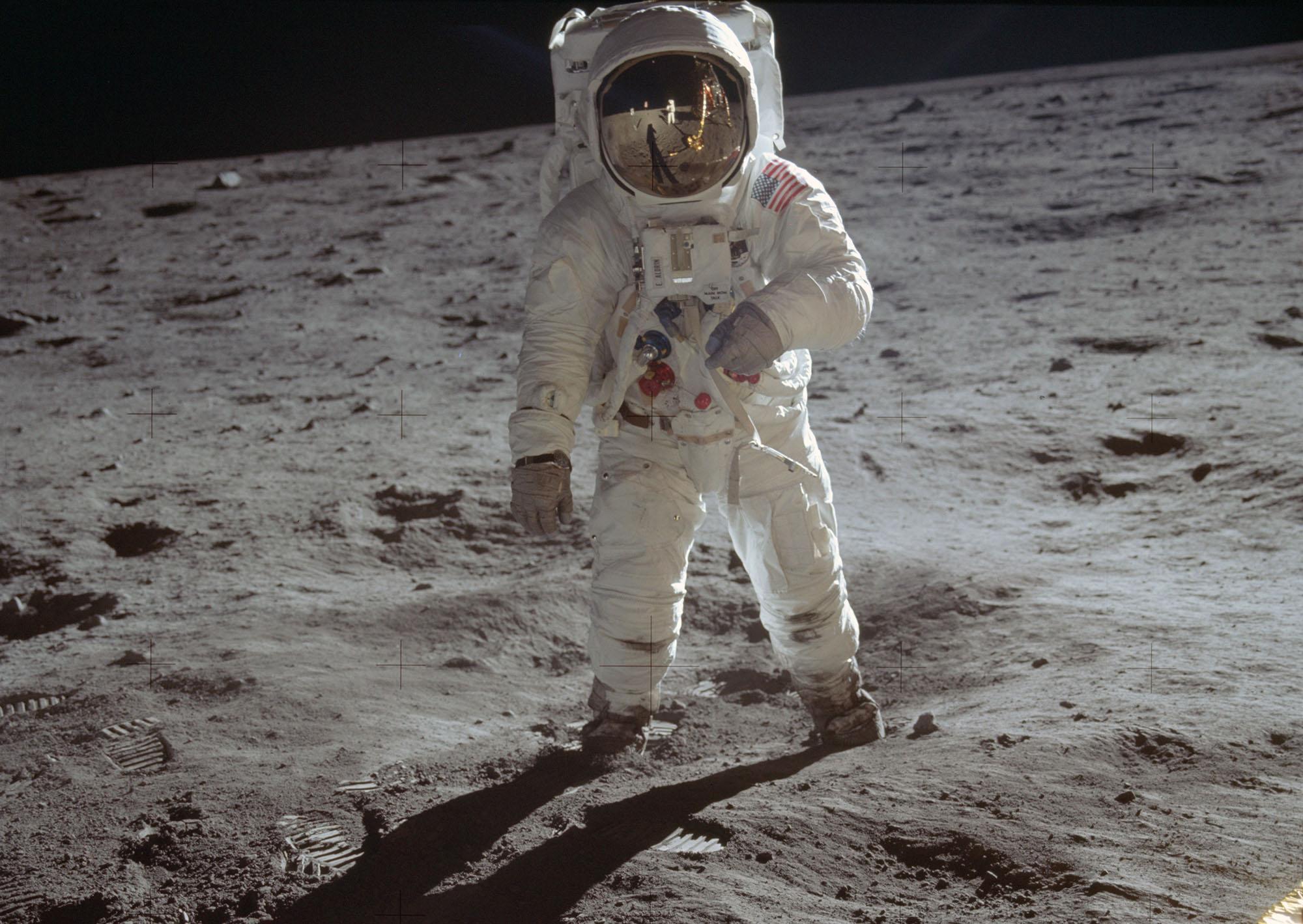
Fifty-seven years ago this week, on 20 July 1969, the world held its breath as Neil Armstrong stepped off the lunar module and onto the surface of the moon. “That’s one small step for man,” he said, “one giant leap for mankind.” Even now, the footage retains its power — the stiff, bulky suits, the stark grey horizon, the American flag planted in soil no human had ever touched. For a brief moment, the divisions of the Cold War, the social unrest of the late 1960s, and the sheer audacity of the mission all seemed to recede. What remained was something elemental: a reminder that human beings, when they commit themselves fully, can do what once seemed impossible.
The Apollo 11 mission was never just a technological achievement. It was a profound study in overcoming adversity. The programme had already suffered the devastating loss of Apollo 1 in 1967. Budget fights, technical failures, and the constant pressure of a geopolitical race with the Soviet Union created an environment of unrelenting stress. Yet thousands of engineers, technicians, flight controllers, and astronauts refused to quit. They trained in simulators that replicated every possible failure. They built redundant systems because the vacuum of space offers no second chances.
They worked as a single organism — each person trusting that others would do their part when their own knowledge reached its limit.
It is worth recalling the precise language with which President John F. Kennedy framed the entire enterprise in his address at Rice University on 12 September 1962: “We choose to go to the Moon in this decade and do the other things, not because they are easy, but because they are hard, because that goal will serve to organize and measure the best of our energies and skills, because that challenge is one that we are willing to accept, one we are unwilling to postpone, and one which we intend to win, and the others, too.” The hardness itself was the point. The difficulty was not an unfortunate obstacle to be minimised; it was the measure that would summon and order the best of human capacity. Historians of the Apollo programme, among which I am counted, have long observed that success was forged precisely through sustained engagement with that difficulty — technical, organisational, and human — rather than in spite of it.
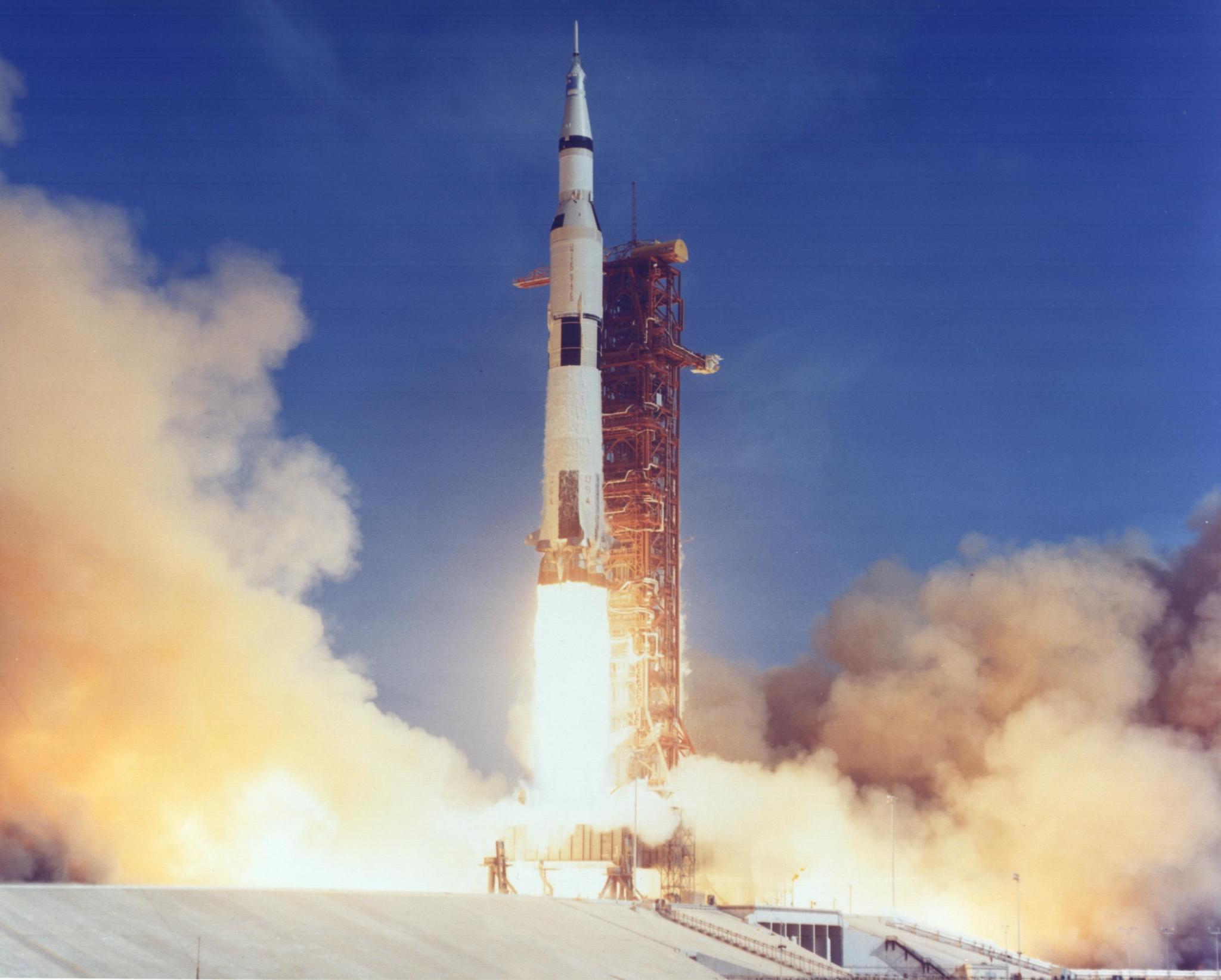 What stands out most is how that success was built on disciplined preparation and humble interdependence. No one person reached the moon. No single brilliant idea carried the day. It took years of unglamorous, repetitive work, the willingness to learn from catastrophic setbacks, and a shared conviction that the mission mattered more than individual comfort or credit.
Our modern challenges look different, but they are no less real. Many of the people we serve at Cornerstone carry burdens that never make the evening news: the quiet accumulation of anxiety that makes ordinary days feel heavy, the grip of compulsive behaviours that promise relief but deliver shame, the fractures in marriages and families that no one outside the home can see, the loneliness that persists even when our phones are full of notifications. We live in an age of astonishing capability — we can video-call someone on the other side of the planet — yet rates of depression, anxiety, and relational breakdown remain stubbornly high. The “mission” of becoming a whole, integrated person in mind, body, and soul can sometimes feel as distant and hostile as the lunar surface.
Therapy, too, is often difficult. It is not a gentle stroll toward self-improvement. It demands that we confront what we would rather leave unexamined, practise new patterns of thought and action against the grain of long-established habits, and persist when progress feels glacial or the terrain of the interior life proves more hostile than expected. The clinical tradition and the deeper Catholic understanding of the human person both recognise this. Genuine change involves resistance; the disordered passions do not yield without a struggle. St Thomas Aquinas teaches that the moral virtues are acquired and strengthened by repeated acts — acts that frequently run counter to inclination and therefore require deliberate effort and grace. The difficulty is not evidence that the work is misguided; it is evidence that the work is real. Clients who commit to the process at Cornerstone frequently discover that the path is hard precisely because it reorders the soul toward its true end. We undertake it not because it is easy, but because it is hard — and because only the hard path organises and measures the best of our energies toward lasting transformation.
The moon landing still speaks to us because it shows what is possible when preparation meets perseverance and community meets courage.
 Preparation matters.
The astronauts did not simply hope they would succeed. They rehearsed every procedure until muscle memory took over. In our own lives, that same principle applies to the daily disciplines that build resilience: consistent therapy when the terrain feels too complex to navigate alone, spiritual practices that anchor us when emotions surge, honest self-examination that names the real roots of our struggles rather than just managing symptoms. At Cornerstone we see
this every week — clients who commit to the unglamorous work of showing up, doing the homework, and practising new patterns of virtue and self-mastery. Small, repeated actions accumulate into transformation.
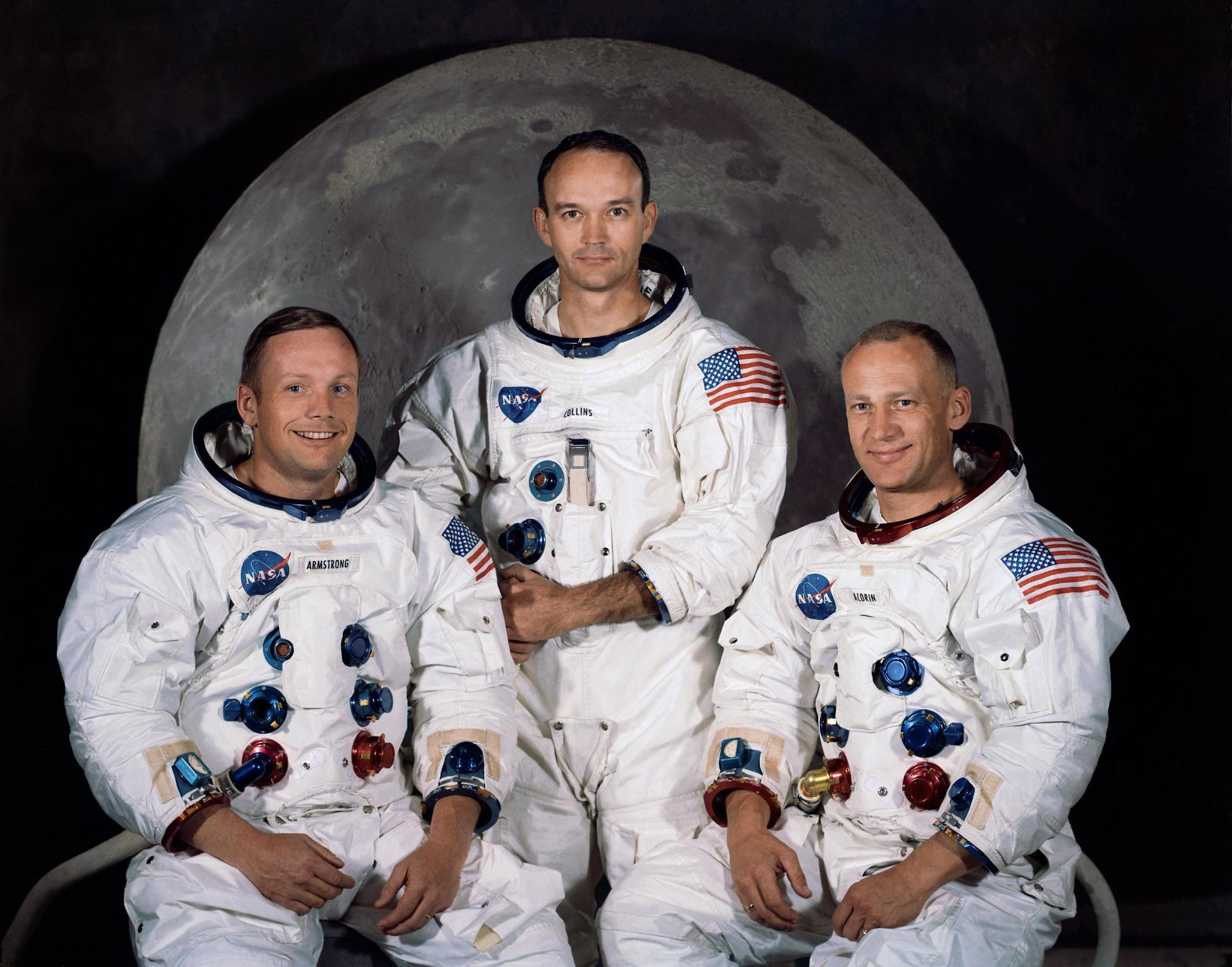
No one succeeds alone.
Mission Control existed because the astronauts could not solve every problem in real time from 240,000 miles away. They needed voices on the ground who saw the bigger picture and could say, “We have a problem” — and then work the problem together. Healing and growth rarely happen in isolation either. Whether through individual counselling, group work such as our Men of Integrity or Virtuous Pathways programmes, spiritual direction, or the support of a parish community, we are wired for connection. Allowing others to share the load is not weakness; it is wisdom. The same God who sustained the Apollo team sustains us, and He has given us one another as instruments of His grace.
Perspective changes everything.
When the Apollo 8 crew first saw Earthrise — our fragile, blue-and-white home rising over the lunar horizon — something shifted in the human imagination. Problems that felt overwhelming on the ground looked different from that distance. Faith offers an even deeper reorientation. Our trials, however heavy, are not the final word. As St Paul wrote, we are “afflicted in every way, but not crushed; perplexed, but not driven to despair.” The same Christ who stilled storms and walked on water walks with us now. He does not promise a trouble-free mission, but He promises His presence and the grace that makes endurance possible.
The moon landing also reminds us that small steps lead to giant leaps.
Armstrong’s first footprint was the result of thousands of earlier steps — in training, in engineering, in courage. In recovery, in healing, in the formation of virtue, it is the next faithful step that matters most. One honest conversation in therapy. One deliberate choice to respond rather than react. One moment of turning to prayer or accountability instead of old patterns. These small steps, taken consistently, change trajectories. They are hard steps. That is precisely why they count.
As we mark this anniversary, I find myself wondering what “one small step” looks like for each of us right now. For some, it may be finally reaching out for help with anxiety or compulsive sexual behaviour that has quietly taken over too much of life. For others, it may be extending forgiveness — to someone else or to oneself — after a long season of carrying resentment. For still others, it may simply be showing up again this week, trusting that the slow, steady, often difficult work is not wasted.
Whatever your particular terrain looks like, please know this: you are not without resources, without community, or without hope. The same human capacity for resilience that carried humanity to the moon — elevated and directed by grace — is available to us still. We choose the hard path of healing and growth not because it is easy, but because it is hard, and because only that path measures and organises the best of what we are called to become.
If you or someone you love is struggling under the weight of modern adversity, we are here. Our team at Cornerstone Counseling of Palm Beach integrates clinical excellence with the Catholic understanding of the human person — body, mind, and soul. We walk with individuals, couples, and families who are ready to take the next right step.
May we all have the courage to keep walking.